Chapter IV
IV / VI
Grog
An admiral, a grogram coat and an unpopular decision: how rum cut with water became a naval institution — and then an everyday word.
Why was the rum cut with water?
In the early 18th century, the rum ration served neat caused serious problems of discipline: drunkenness, accidents, insubordination. In 1740, Admiral Edward Vernon ordered that the rum issued to his crews henceforth be cut with water, and served twice a day rather than in a single draught.
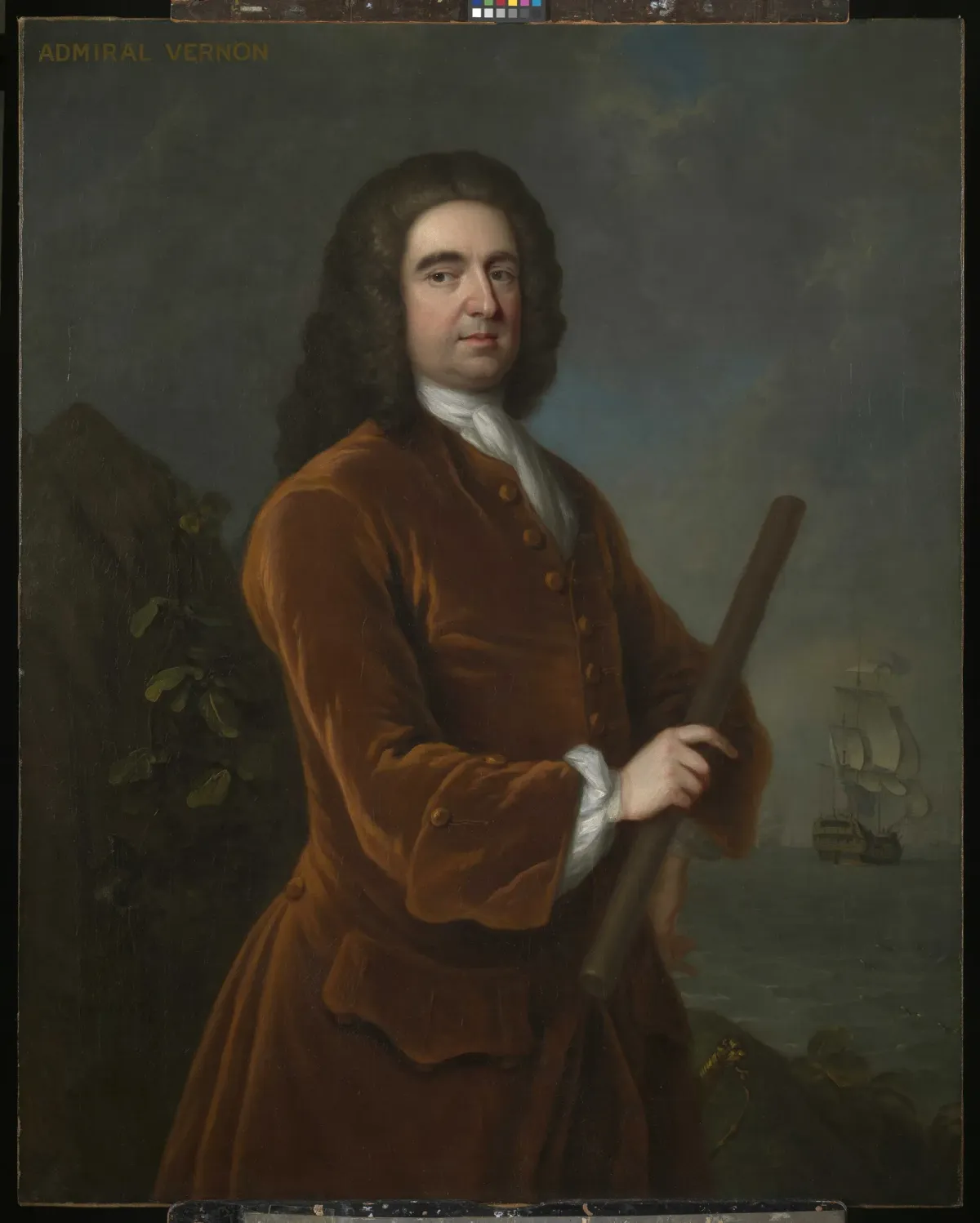
The idea was simple: dilute the alcohol to soften its effects, and spread out the drinking to avoid sudden drunkenness. The measure was at first badly received by the sailors, none too keen to see their precious ration lengthened with water — but it took hold and set the pattern for the whole navy.
Where does the word “grog” come from?
Admiral Vernon's nickname came from a detail of dress: he customarily wore a coat cut from a coarse fabric called grogram (from the French gros grain). His men called him “Old Grog”. When he imposed rum cut with water, they naturally christened the drink “grog”, after the man who had invented it.
Grog carries, for all time, the mocking nickname of an admiral and the memory of his grogram coat.
The historical recipe
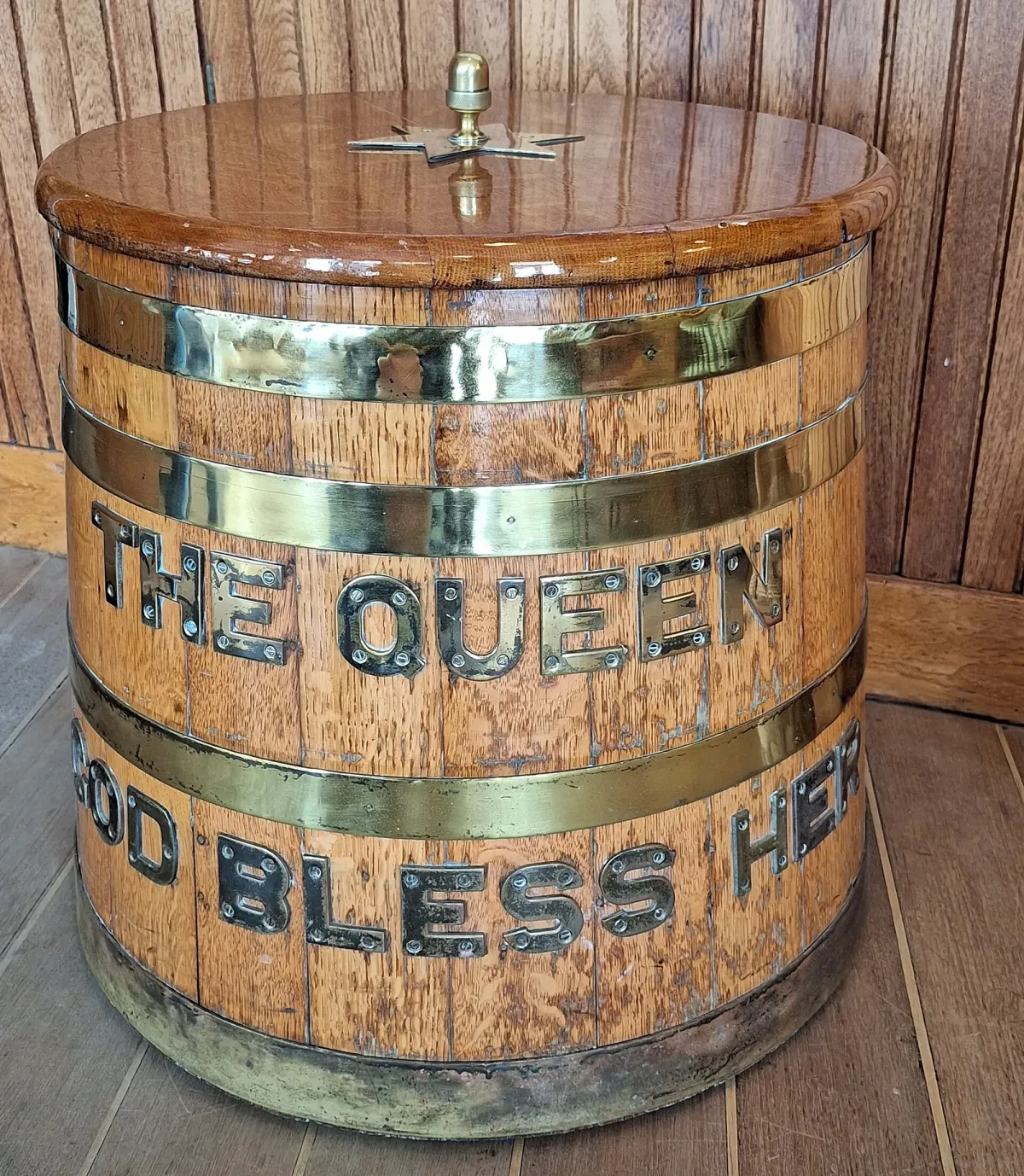
The original grog was starkly simple: rum, water, and little else. To fight scurvy and make the mixture more agreeable, lemon or lime juice and a little sugar were often added. Here is a reconstruction in the spirit of the period — to adapt to whatever rum you have:
- 1 part dark rum, ideally Navy style;
- 2 to 4 parts water (sailors received a markedly lengthened rum);
- the juice of half a lime per glass;
- a spoonful of brown sugar, dissolved to taste.
It was traditionally served at ambient temperature, but grog also comes hot — which made it, ashore, a popular remedy against the cold and the first shivers of winter. That hot, lemony, sweetened version is the one most people know today as “grog”.
From the fo'c'sle to the kitchen
Born of a military decision, grog left the ships and entered language and homes. The word itself spread: in English, “groggy” — the woolly state of a man who has tasted a little too much grog — passed into everyday use. Few sailors' recipes have left such a trace in the language.